Program buyers want tonnage, tooling and a smooth launch
Before they send a part for quote, stamping buyers want press tonnage, bed sizes, materials, tooling and volumes, because they're planning production for years.
They check press range (tonnage, bed sizes and press types: progressive, transfer and deep draw), materials, thickness ranges and coil widths. For roll forming, they check profile size, gauge and length range, and inline operations such as punching, notching and cut-to-length.
Then tooling: in-house die design, build and maintenance, or managed tooling partners. Then quality and launch, such as production part approval for automotive and IATF 16949 where required, and secondary operations like tapping, welding, assembly and plating.
Who buys this work
Stampers and formers make high-volume parts for automotive, appliance, HVAC, electrical, construction, agriculture and more: brackets, clips, housings, terminals, deep-drawn cans and roll-formed profiles. Buyers are engineers and purchasing teams planning new programs or moving work from a supplier who can't keep up.
Tooling is a big upfront cost, so buyers choose carefully and stay for the life of a program. They want to see that you can design and build or maintain tools, launch parts smoothly and hold quality at volume. The Precision Metalforming Association's divisions, from metal stamping to roll forming and tool and die, reflect how buyers think about this work.
Questions buyers ask, answered before they ask
What's your press range in tonnage and bed size? Do you design and build dies in-house, and who maintains them? What materials and thicknesses do you run, and what volumes are you set up for? How long does a typical launch take from PO to approved parts? A website that answers these gets you onto more program quote lists.
Most stamping websites list presses without the numbers
Most stamping websites don't give tonnage, bed sizes or how dies are built, which is exactly what program buyers compare.
In our review of 4,547 core job shop and OEM websites, 56% showed no visible way to request a quote and 69% named no certification on the pages we read.
Stamping websites often list presses without tonnage or bed sizes, and say "tooling available" without saying whether dies are designed and built in-house. A program buyer comparing stampers needs both.
Many also undersell their launch process. Buyers worry most about delays and quality problems at launch, so a clear page on how you take a part from quote to approved production is often the most persuasive page on the site.
Source: RFQ Foundry review of 12,382 US metalworking and manufacturing websites, Oct to Nov 2026. Core figures cover the 4,547 job shops and OEMs selling to other businesses. We read each homepage plus up to two About, Capabilities or Services pages. Read the report.
What we build and run for you
A page for each stamping and forming process you run.
A press and equipment list with real specifications.
A tooling page explaining how you design, build and maintain dies.
A launch and quality page covering how a part goes from PO to approved production, and your certifications.
Monthly articles stamping buyers search for, such as designing parts for progressive dies, deep draw versus machining, and how tooling cost affects part price at different volumes.
Articles we'd write in your first three months
Typical articles we'd publish in your first three months, chosen from what buyers of this work search for. Each one ends with a quote prompt:
- Designing parts for progressive dies: what to change and why
- Deep draw versus machining: cost at different volumes
- How tooling cost affects part price, and how to spread it
- Roll forming or press braking for long parts
- What happens between your PO and the first approved stamping
What a page like this looks like
The concept sites on this page show how we lay out capability pages: what the shop does, the limits in numbers and a quote path. For a stamper, the same layout lists presses by tonnage and bed size, and explains the tooling.
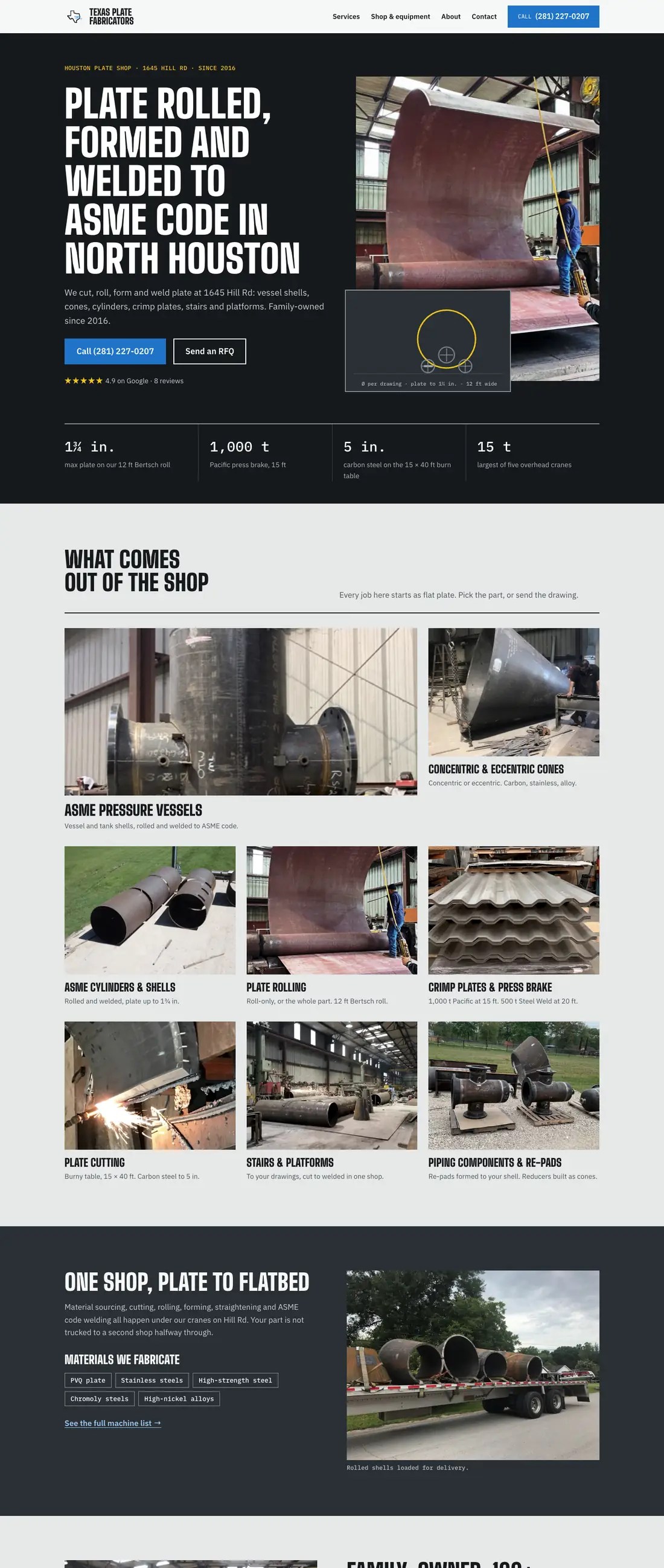
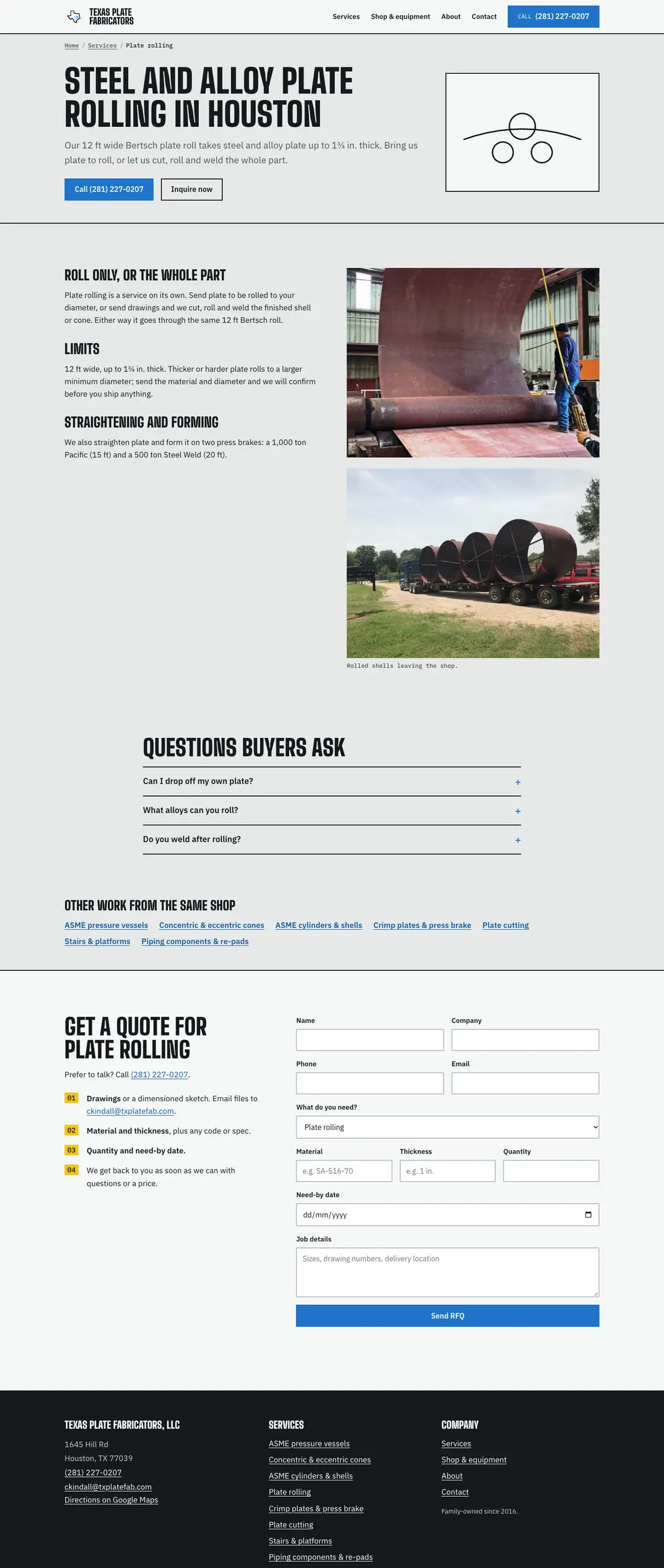
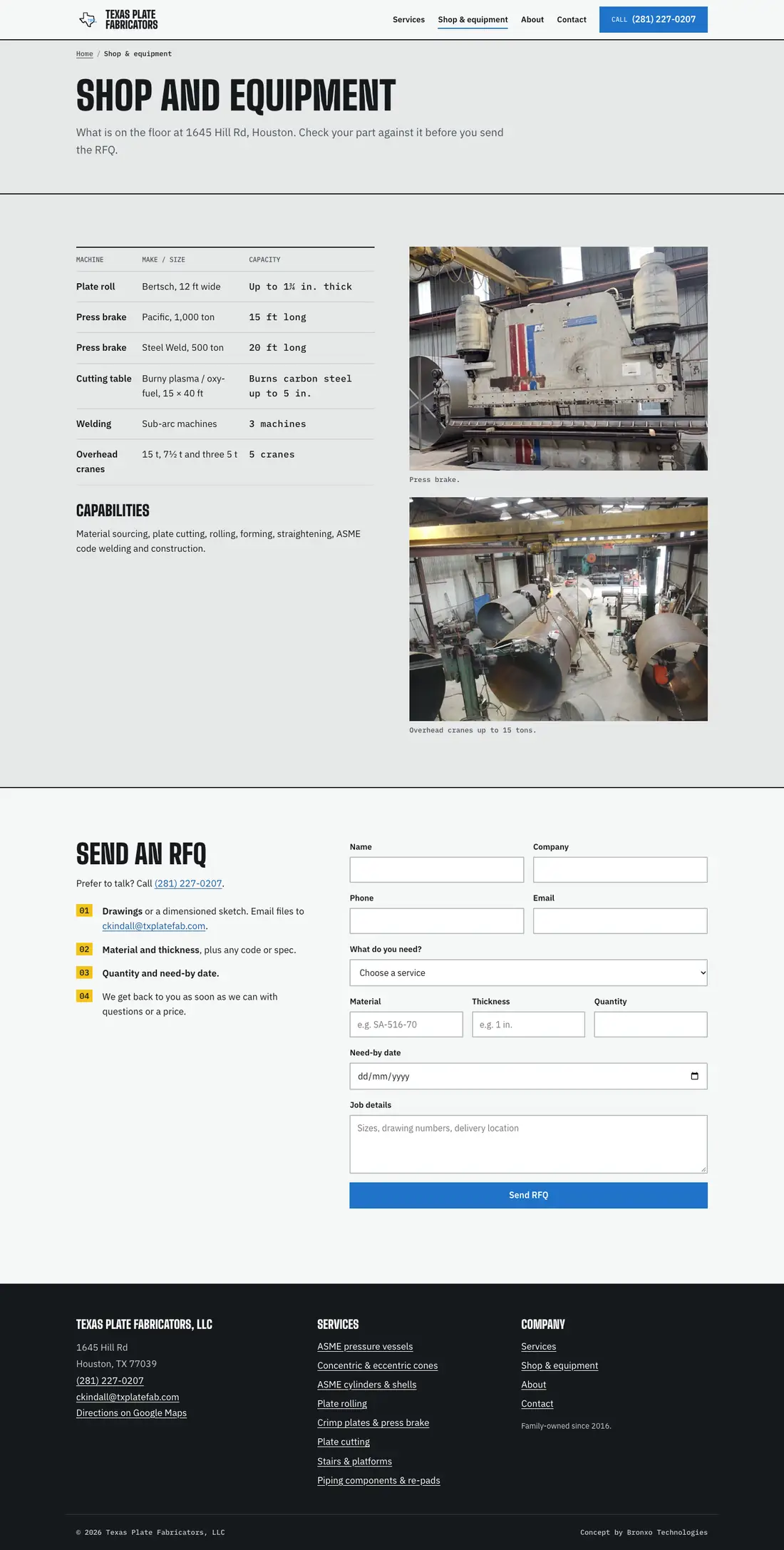
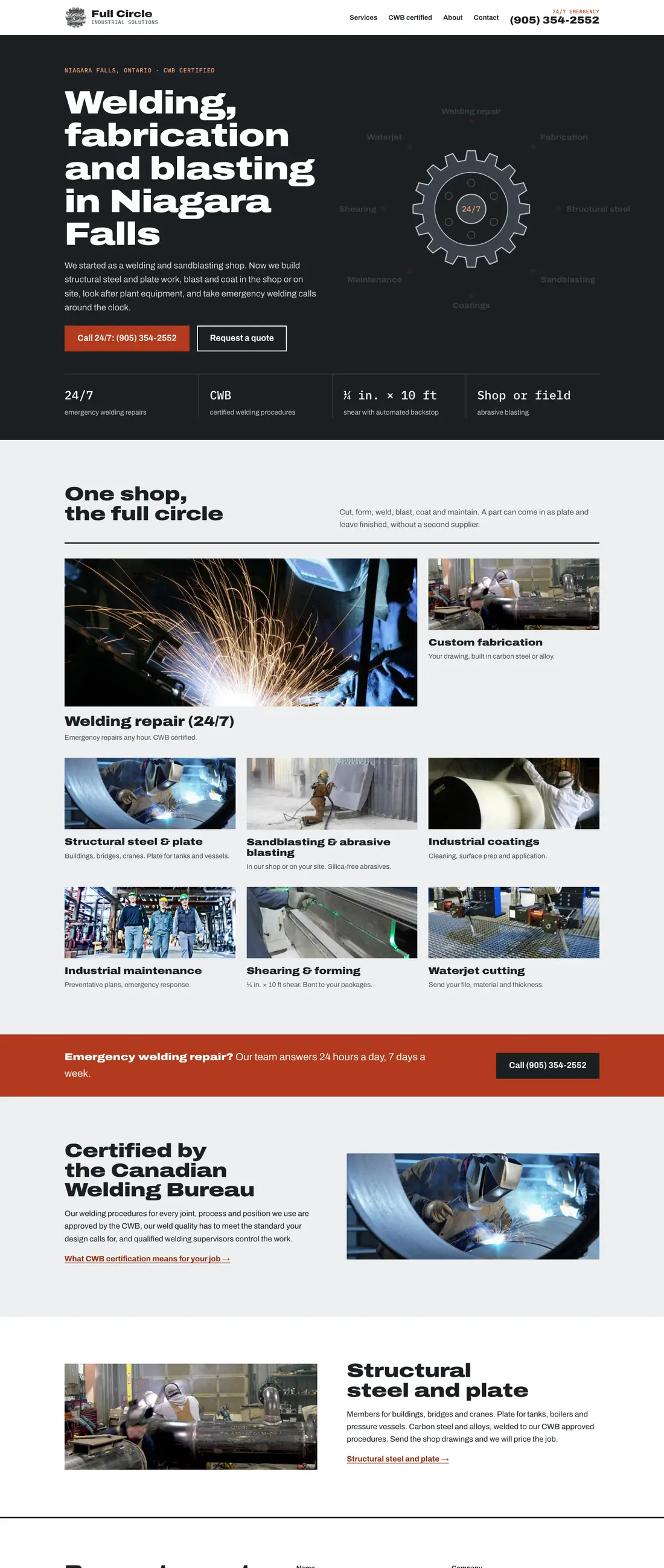
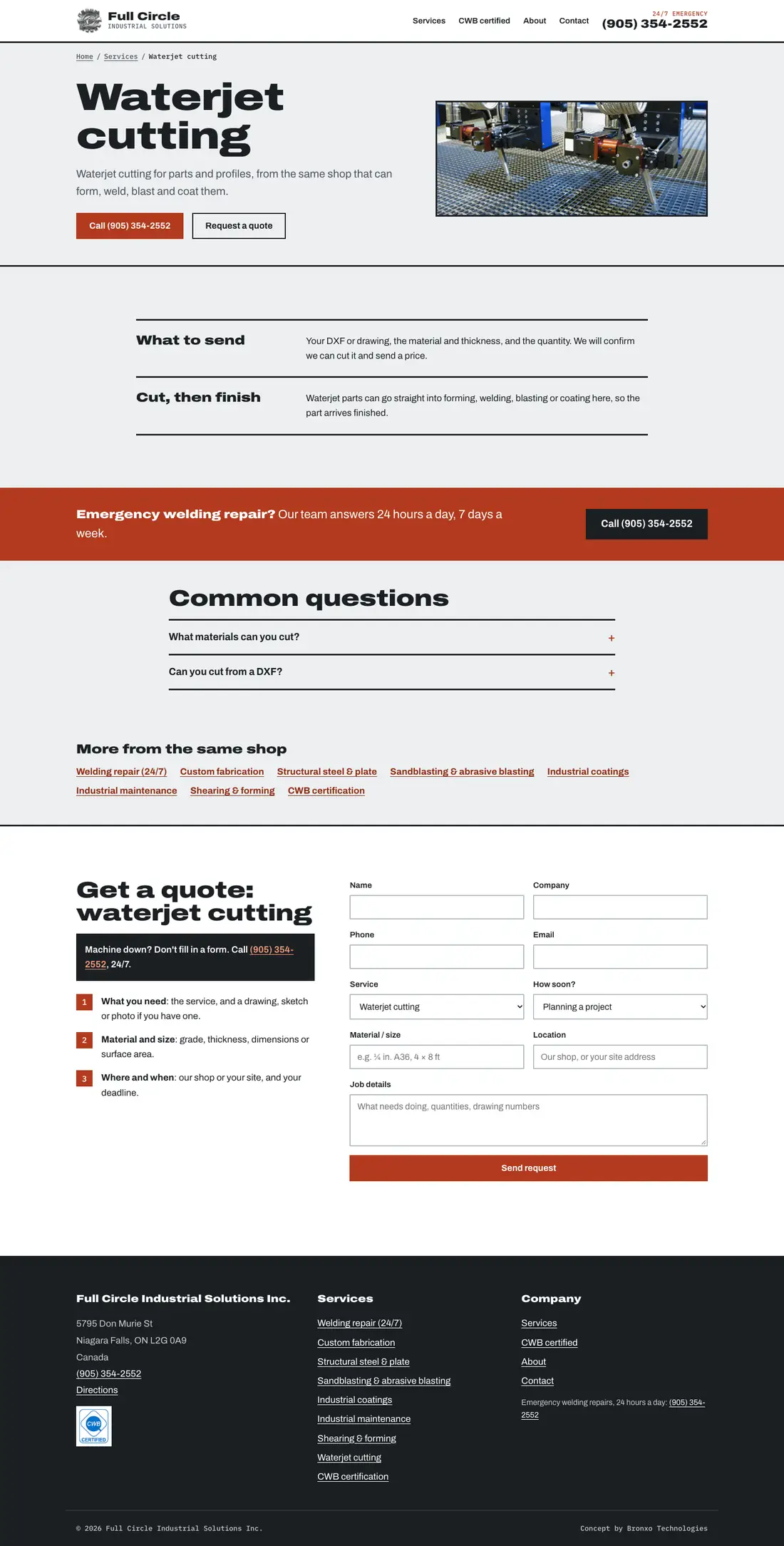
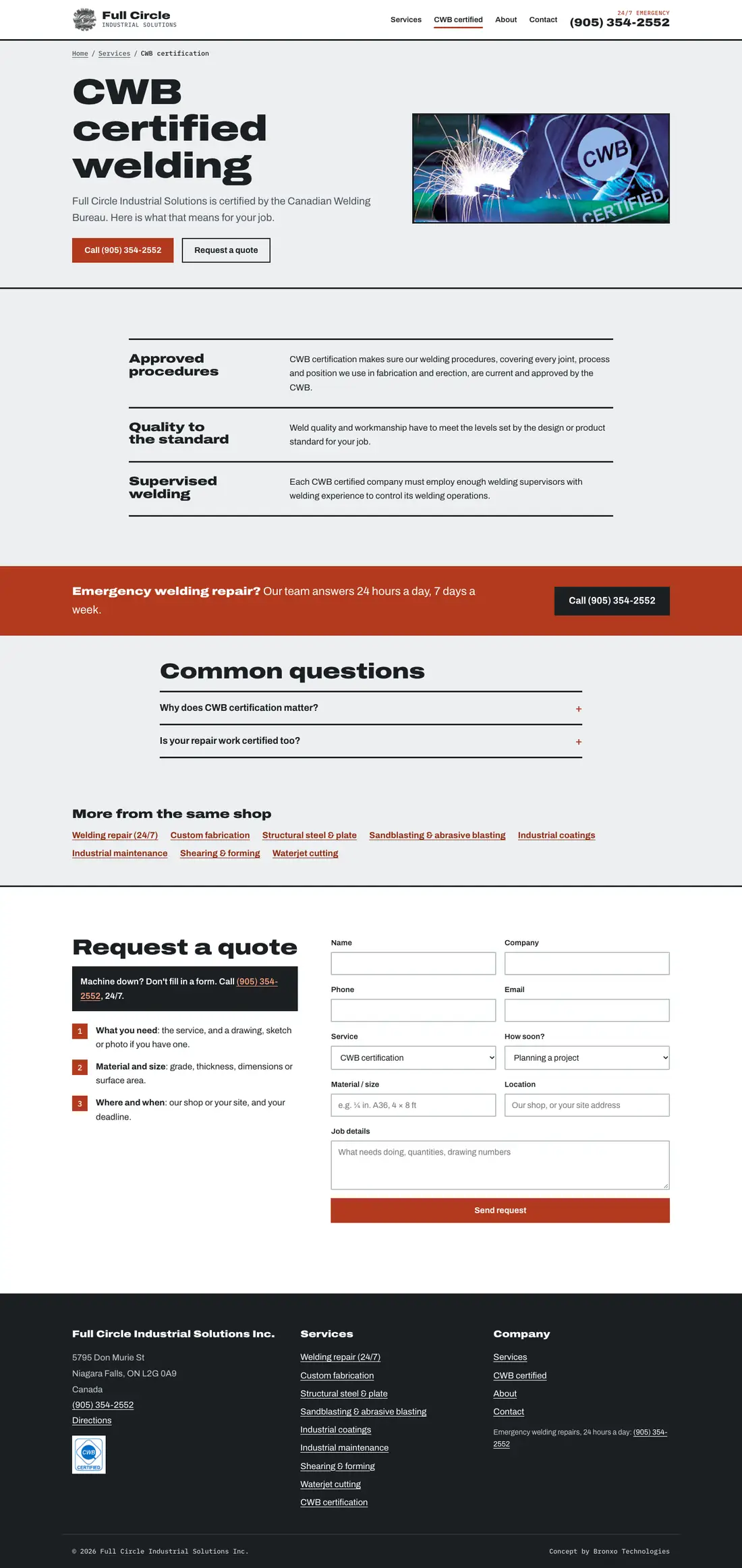
Concept redesigns we built from each company's own public website, to show the kind of site we make. Not client work. See them live: Texas Plate concept · Full Circle concept
Where to start: three fixes for this quarter
If you only do three things this quarter: list every press with tonnage and bed size, write a page about your tooling, and explain your launch process from PO to approved parts.
You'll see which pages bring in work
Every RFQ is captured by the RFQ Engine and tagged with its source. Your RFQ Report shows which capability pages, searches and campaigns bring in work, how fast your team replied and how many quotes you won. We agree an RFQ goal in month one and report against it.
Questions
Do you work with roll formers?
Yes. Roll forming gets its own capability pages, with profile and gauge ranges, inline operations and tooling.